
Hope
Spring 2026—edition 15
With the arrival of spring, most of us will encounter references to hope. Spring is the season that elicits that feeling more than the others, at least in this corner of the globe. We wanted to put hope under the microscope a bit in this edition. It is something we’ve been reflecting on deeply of late.
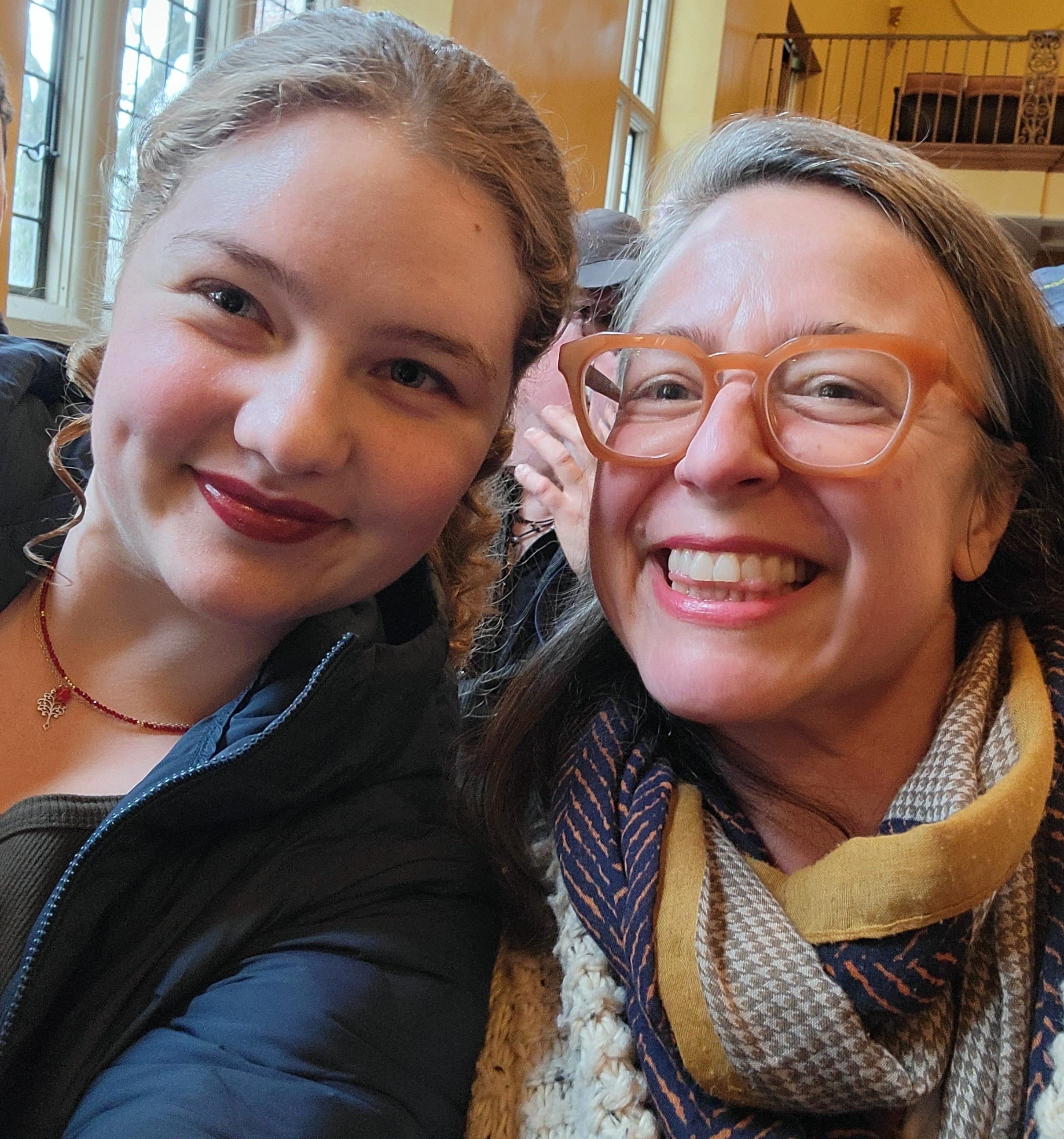
Two giddy women waiting to hear Robin Wall Kimmerer speak at an event at Wellesley College in early March
Robins as a Harbinger of Spring
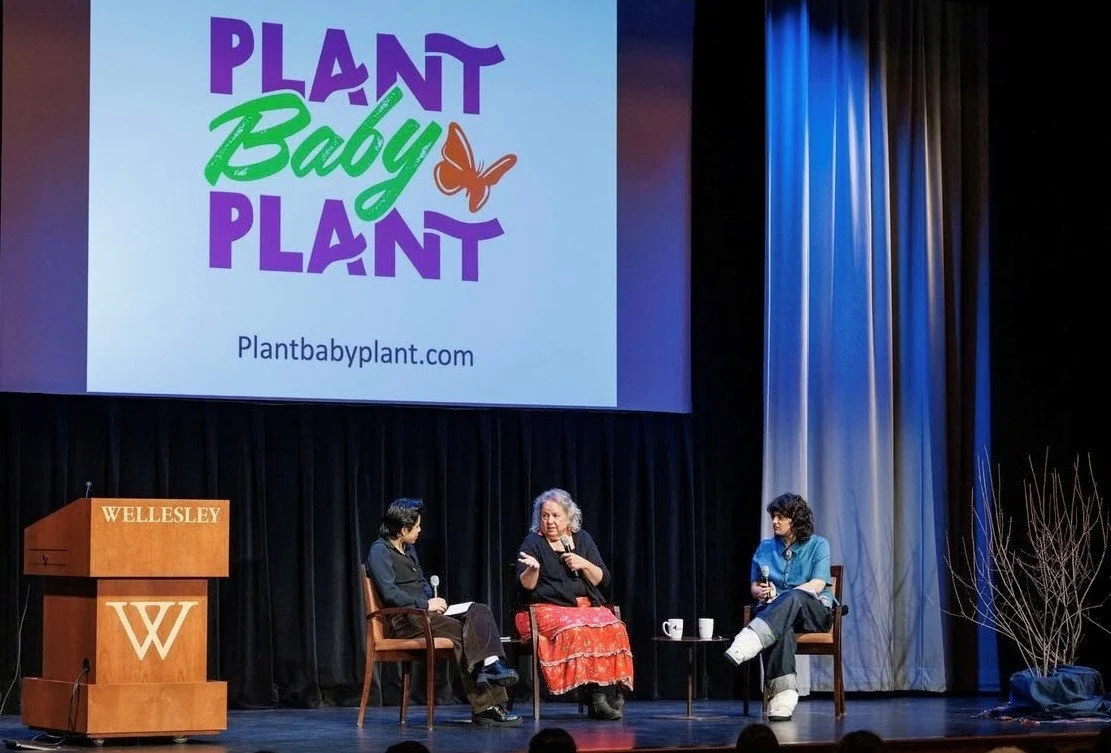
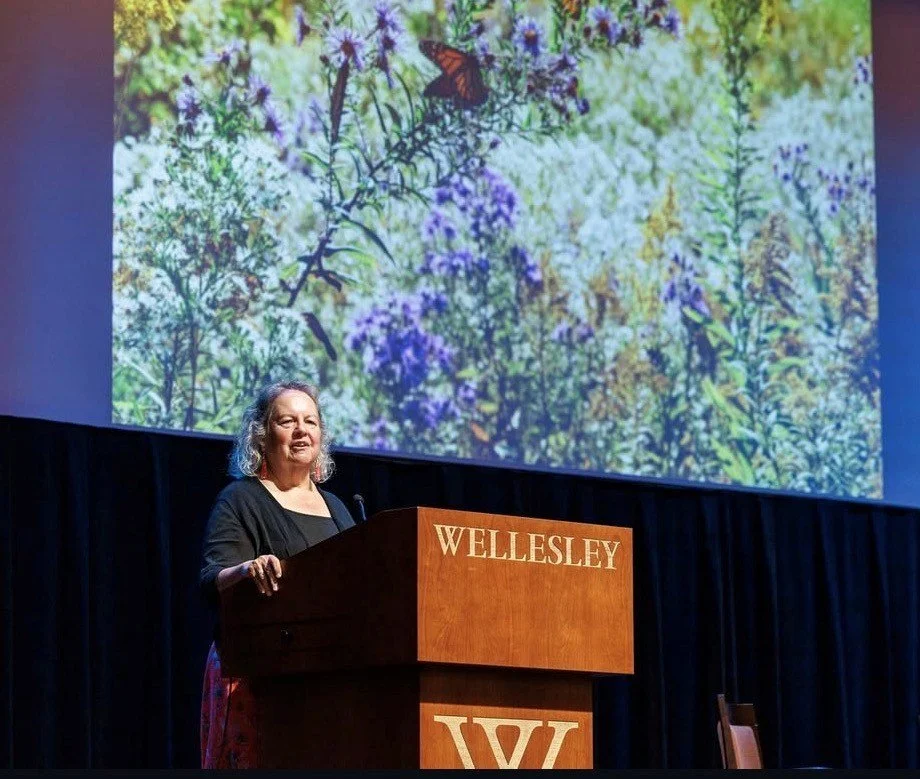
Robin was recently invited by our daughter Sylvie to attend a lecture given by Robin Wall Kimmerer at Wellesley College entitled “All Flourishing is Mutual: Abundance and Reciprocity in the Natural World" (click on the link for a Live Stream Recording of her talk) For those of you unfamiliar with Robin Wall Kimmerer, she is a botanist, bestselling author, decorated professor, and member of the Citizen Potawatomi Nation. Our resident Robin is a huge fan girl and the opportunity to hear RWK speak in person was not one she was going to let pass by, especially since it involved visiting Sylvie in her new college surroundings and catching up with good friends in Boston.
The focus of RWK’s talk was the role of responsibility, reciprocity, and Indigenous knowledge in addressing the climate crisis, and it was thought-provoking on many levels. Kimmerer posed the question “What does the Earth ask of us—not what more can we take, but what are we asked to give?” She challenged us to consider the gifts we have as individuals and urged us to give them back to the world.
We are undeniably living in a time of unbridled greed and exploitation, and it can be hard to remember that we as individuals hold true power. The simple act of feeling gratitude and recognizing that our relationship to Mother Earth is one of reciprocity is empowering. But what can we actually DO to give back? There are so many ways, actually. One we can do today is join Plant Baby Plant, a grassroots movement founded by Dr. Kimmerer which invites us to raise a garden-gloved middle finger in response to “Drill, Baby, Drill”, that mantra of destruction and extraction.
Beyond that, we can get involved with organizations and support them through our writing, networking or fundraising skills. If having some extra money is one of your gifts, that is a language our culture speaks fluently! We can organize a community tree-planting event, a roadside cleanup, a clothing swap or mending workshop, or even provide coffee or a meal for those doing that work. The point is that every day we wake up the earth is providing for us—through the air we breathe and the water we drink. These are gifts and we are called upon to give back. Our consumer-driven culture has not been doing a very good job of giving back. We need to reframe our relationship with our home, Planet Earth. The clock is most certainly ticking.
This leads to another topic in the lecture that really resonated with our Robin: linguistic imperialism and how language can frame our relationship to the natural world. In the English language, only humans are afforded the pronouns of personhood—”he,” “she,” “they”—while plants, animals, and landscapes are all relegated to the world of “it,” objects. As Kimmerer poses “Isn't it easier to cut down a tree or remove a mountain top for coal if we call them ‘it’? Do you suppose it's any coincidence that English is the language of global capitalism? English does not give us any way to speak respectfully of the natural world.” When we reduce non-human beings to objects, it allows humans to feel that they have the right to dominate and control nature.
In contrast, in many of America’s Indigenous languages, including in Kimmerer’s Potawatomi, there is no distinction between a tree or a river or a rock or a bird or a berry. She refers to this as the grammar of animacy. In a language that affords the same level of respect to nature, wouldn’t it be more difficult to see resources as inanimate objects to exploit? Is it any wonder that 80% of the world’s biodiversity is safeguarged by Indigenous peoples?
Hope - is it an Action Verb?
So, what does this all have to do with the topic of hope?
At the conclusion of her lecture, RWK was asked how we are to maintain hope—as individuals and collectively—when we are witnessing so many negative impacts in the world.
Kimmerer responded “I’m not sure what hope means. To me, hope feels so passive…I have a hard time with this notion of hope.” She went on to provide an example of having a family member in the hospital. “Do I hope they get better? Of course. But that’s not what I DO. I bring them medicine, I sit with them, I hold their hand, I bring them food. Not because I hope but because I love. And I feel like it’s that love that activates us, that keeps us moving—both as individuals and in the collective.”
And this is what our Robin has been ruminating on for several weeks. The passiveness of hope. But also how hope can be the outcome of action. We plant the seeds, we tend the soil and we hope for flourishing. If it flourishes, we are hopeful that we can be successful again next year. We nurture and care for our children, we invest in their welfare and we hope they will thrive in the world. If they do indeed thrive, it gives us hope for future generations. Hope can be a catalyst for action as well as a reward for it.
Farming as an Act of Hope
You really can’t farm without hope. And, despite all the places you can look to feel hopeless, farming can surprisingly be the source of hope on occasion too.
Kevin was a little late in planting our winter crops last year. Ideally, we would get the winter grains in the ground by September 15, but fall is always a really busy time here and we were nearing the completion of a major home renovation as well, so it got pushed back. Kevin managed to get the field next to the barn planted to winter wheat in October, but he didn’t get to the big field to plant in time before an early winter came on. This is the first year we will do a spring planting—of wheat in the big field. Over the winter, Kevin spent a decent amount of time admonishing himself for planting so late and worrying that we wouldn’t have a crop this year.
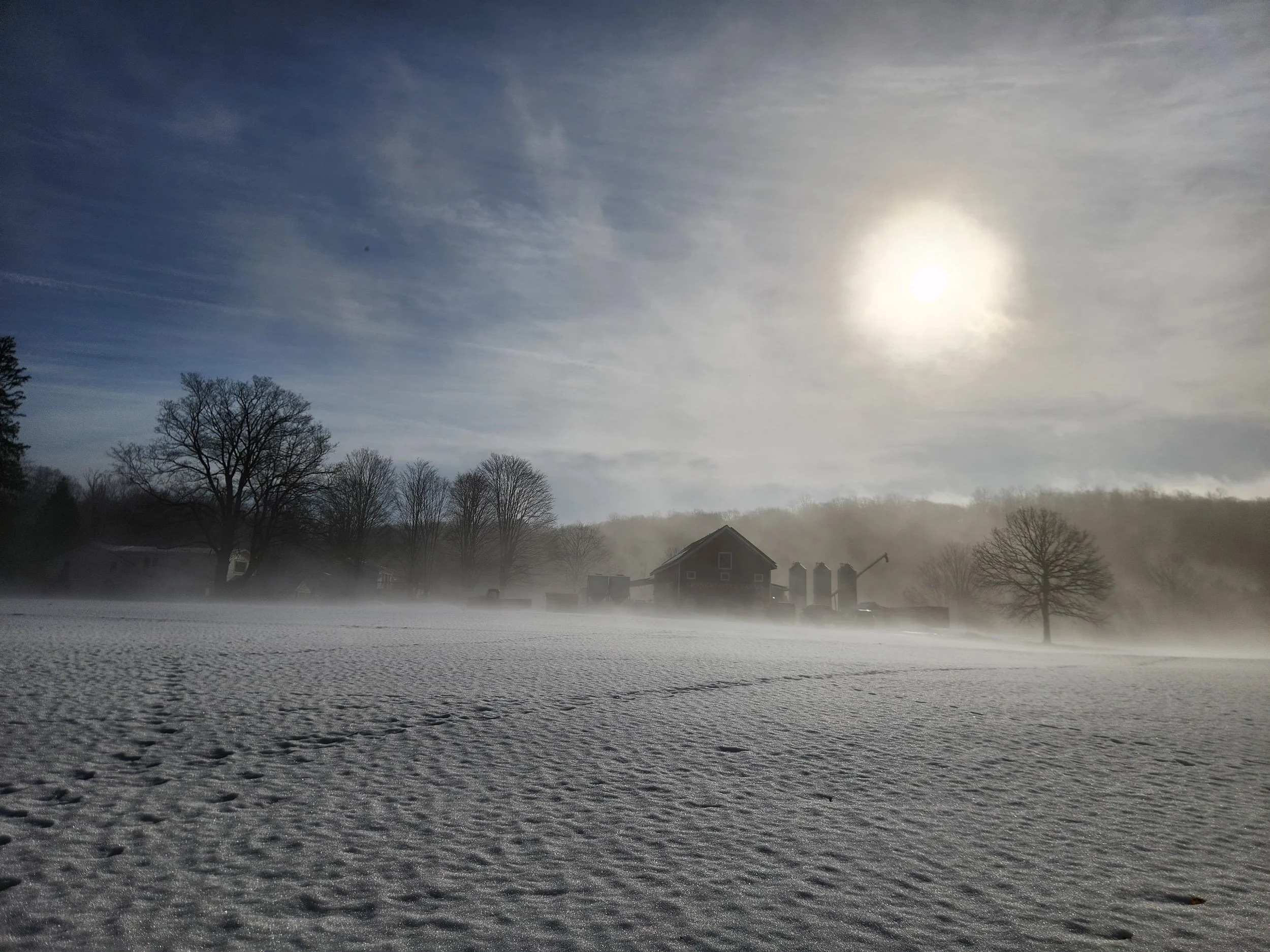
But hope springs eternal! We emerged from an extra wintry winter, with lots of snow accumulation, to discover that our baby wheat had survived. In fact, it was precisely the lengthy snow cover, which provided crucial insulation, that enabled our late-planting of winter wheat to take root and survive the coldest winter in years. Otherwise, the delicate shoots would have been killed by frost and sub-zero temps.
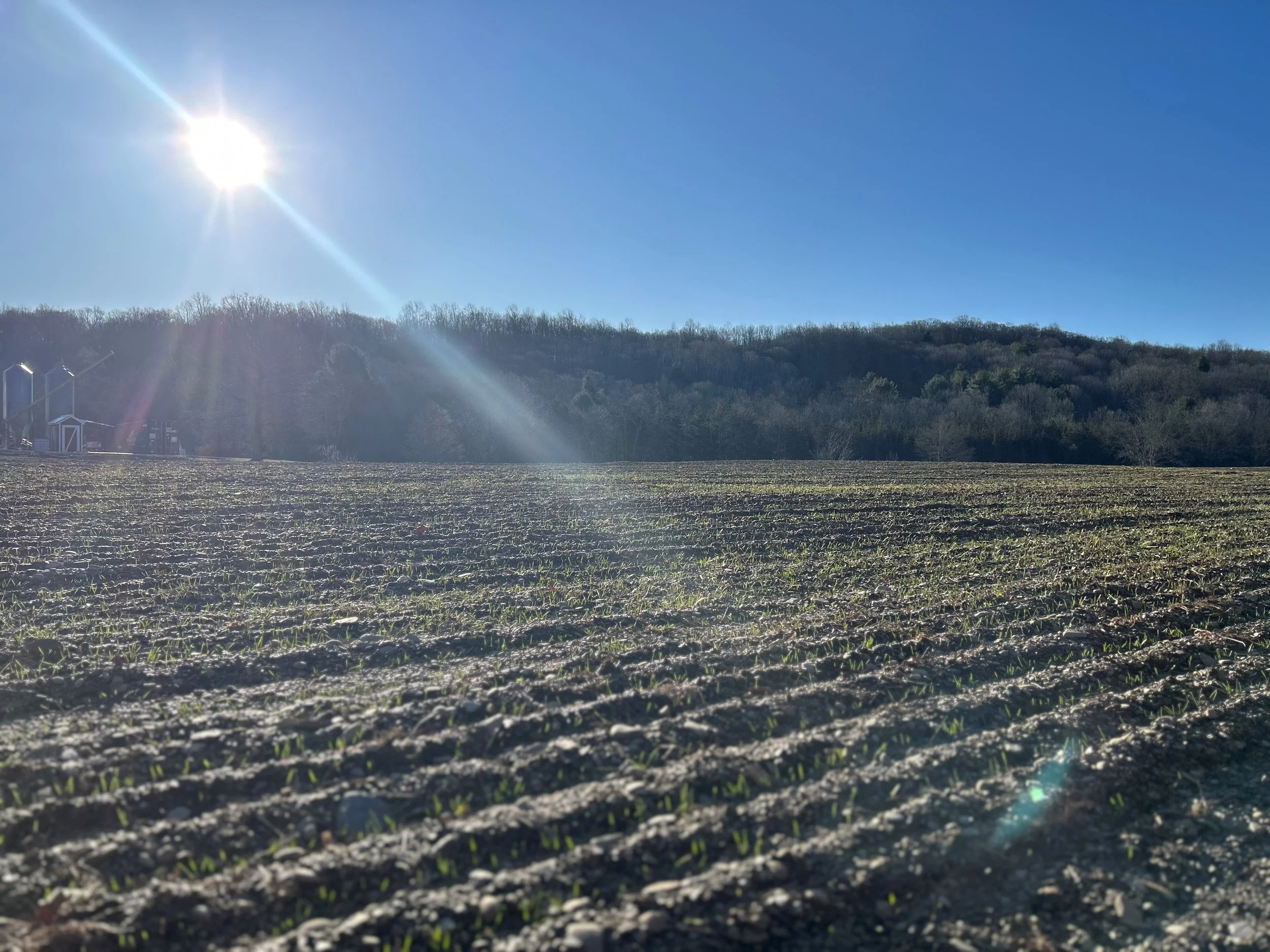
Robin snapped this shot on her way to morning chores on March 11, just a few days after the remaining snow had melted out of the fields.
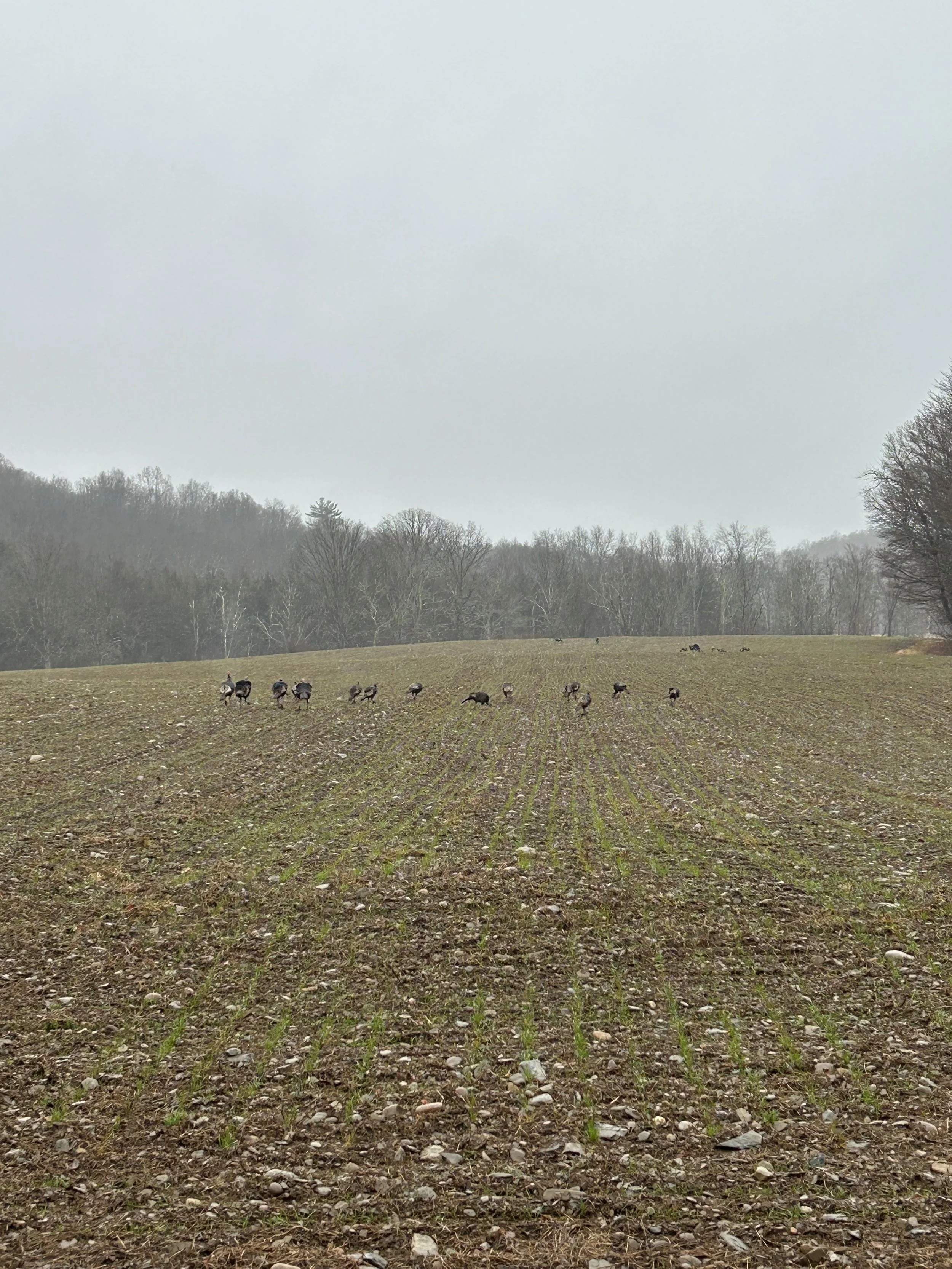
And then a few days later, she snapped this picture. We HOPE the turkeys leave some wheat for us as well!
Makers and Creatives also Carry Hope
When makers and creators put something out into the world it is an act invested with hope. When a writer’s work is published, when a chef sends a plate out from the kitchen, when a winemaker puts a cork in a bottle, their work is suddenly outside of their control, and it is a moment of intense vulnerability.
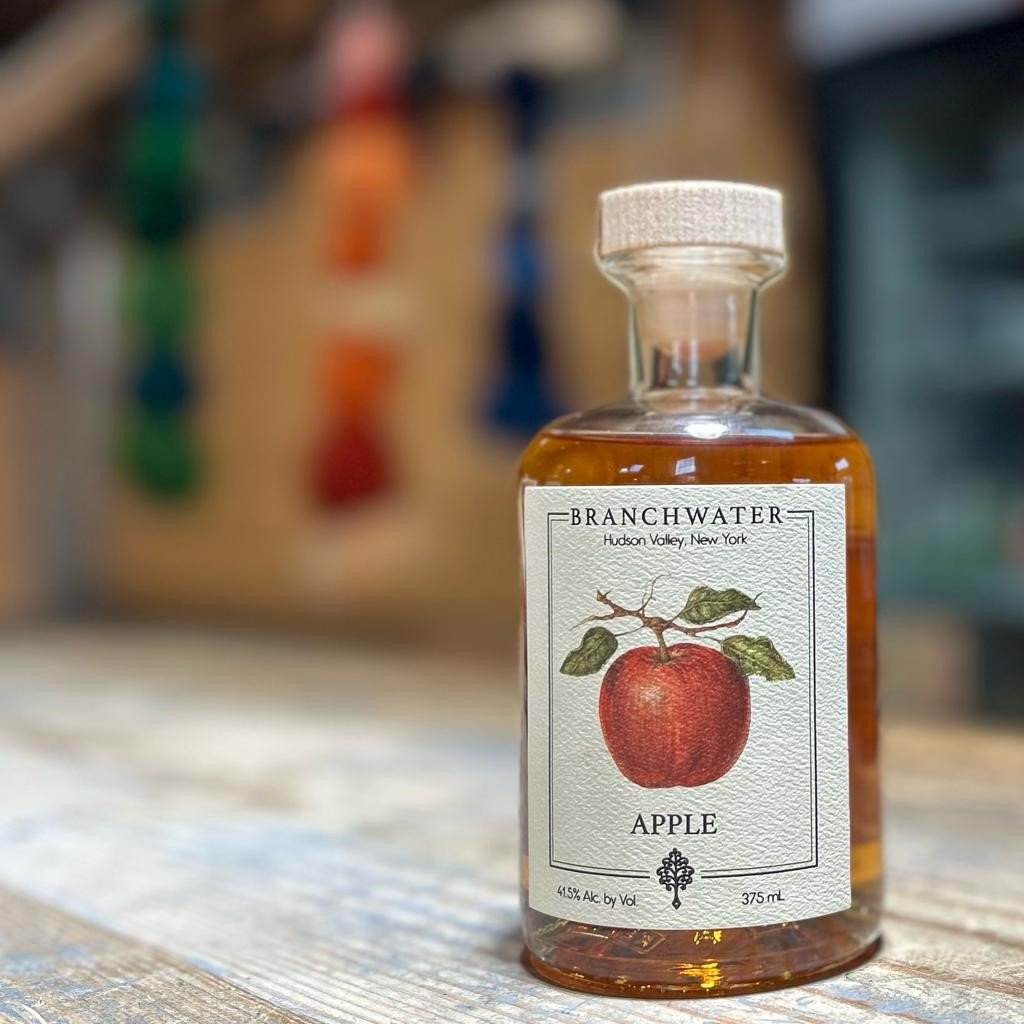
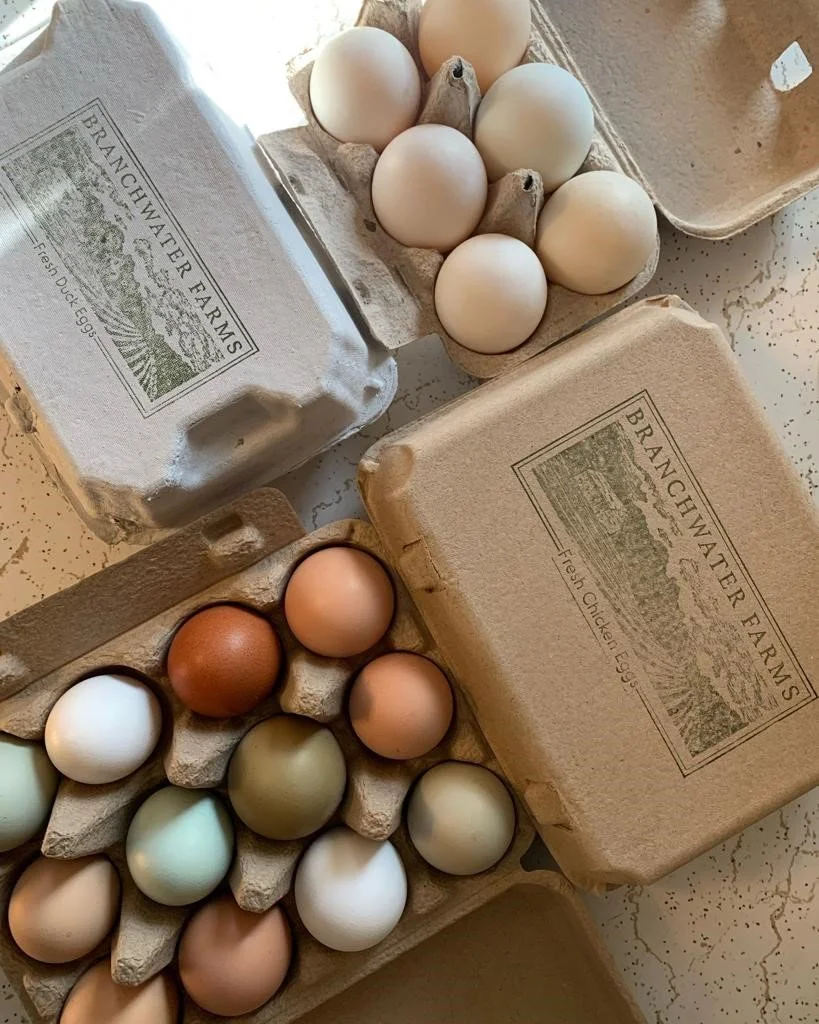
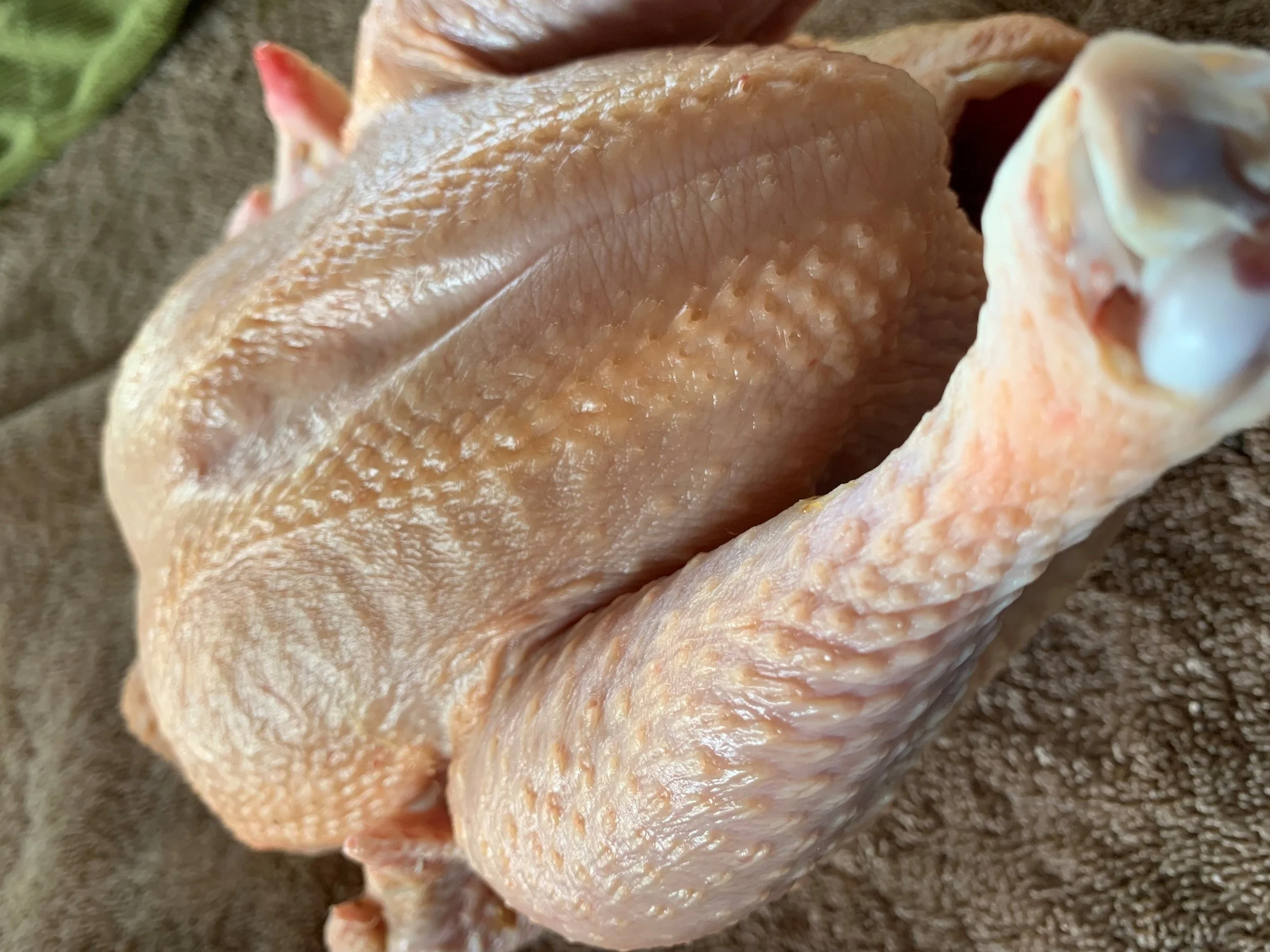
Everything we make here is enshrouded in our hope that people will understand the labor of love this whole farm represents to us. It is our hope that our spirits will be well-received and appreciated, and that they will reflect our obsession with quality. When customers buy our eggs or pick up a whole chicken, we know they are paying more than they would at the grocery store. We know the extra lengths we go to for the health of our flocks and the dedication we have to humane stewardship. It is our hope that those efforts will be reflected in the quality of these offerings.
What is hope to you?
“Hope is being able to see that there is light despite all of the darkness.” — Desmond Tutu
“Hope has two beautiful daughters; their names are Anger and Courage. Anger at the way things are, and Courage to see that they do not remain as they are.” — Saint Augustine
“Hope is the thing with feathers that perches in the soul - and sings the tunes without the words - and never stops at all.” — Emily Dickinson
“When you do nothing you feel overwhelmed and powerless. But when you get involved you feel the sense of hope and accomplishment that comes from knowing you are working to make things better.” — Maya Angelou
“Hope is the struggle of the soul, breaking loose from what is perishable, and attesting her eternity.” — Herman Melville
“Hope sees the invisible, feels the intangible, and achieves the impossible.” — Helen Keller
“We must accept finite disappointment, but never lose infinite hope.” — Martin Luther King, Jr.
“True hope dwells on the possible, even when life seems to be a plot written by someone who wants to see how much adversity we can overcome.” — Walter Inglis Anderson
“The very least you can do in your life is figure out what you hope for. And the most you can do is live inside that hope. Not admire it from a distance but live right in it, under its roof.” ― Barbara Kingsolver, Animal Dreams
“May your choices reflect your hopes, not your fears.” — Nelson Mandela
What We’ve Been Up To Lately
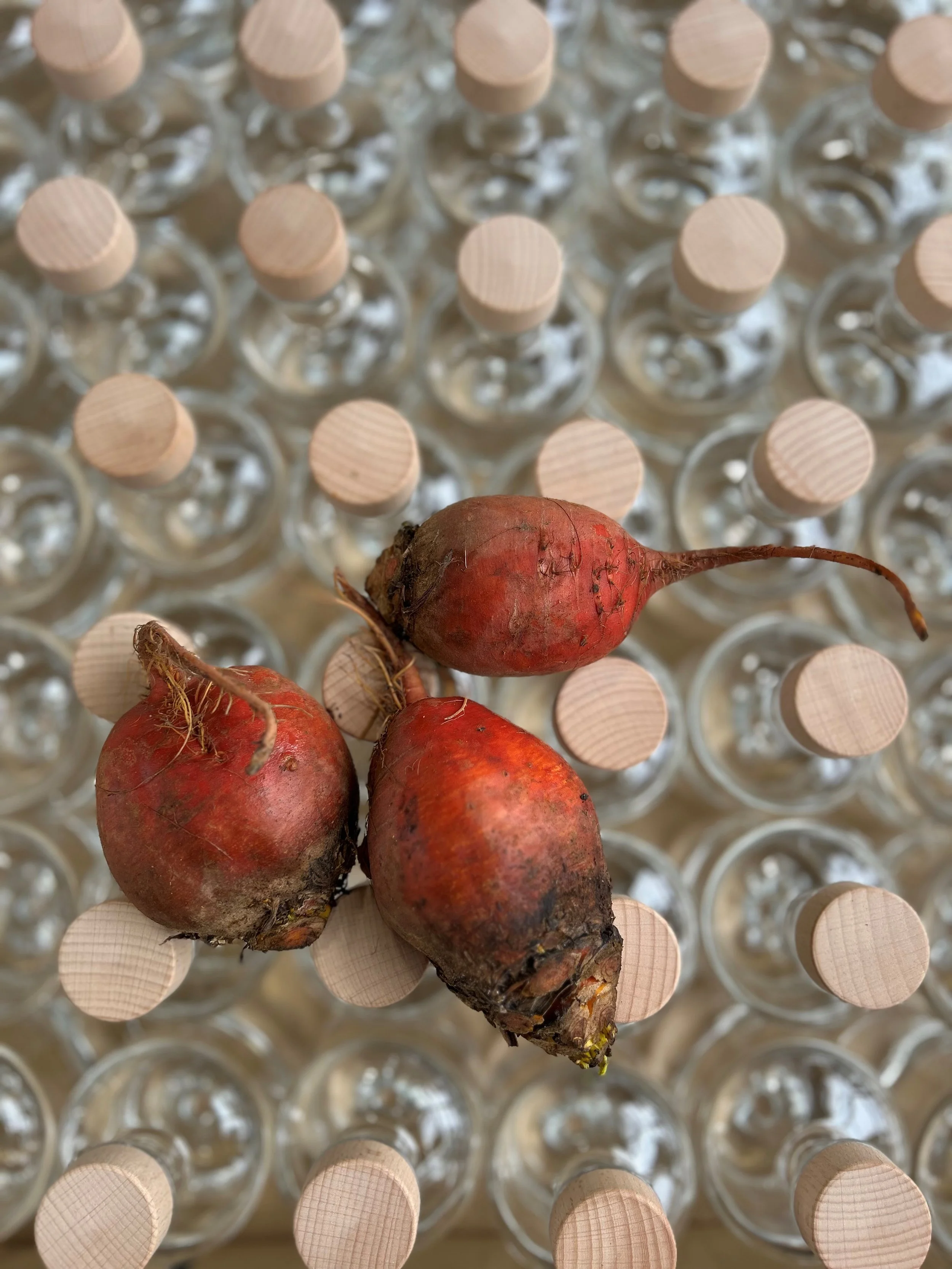
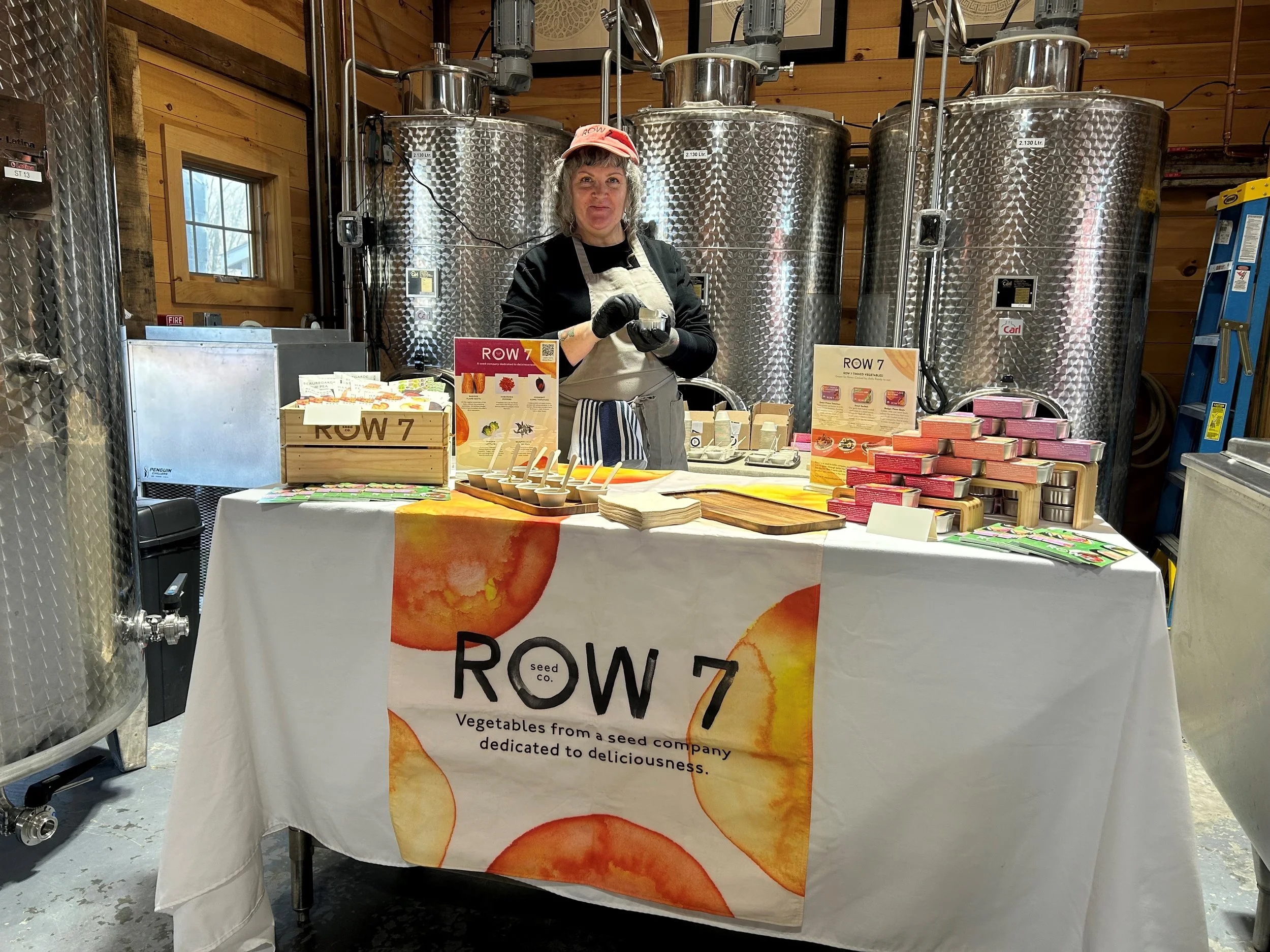
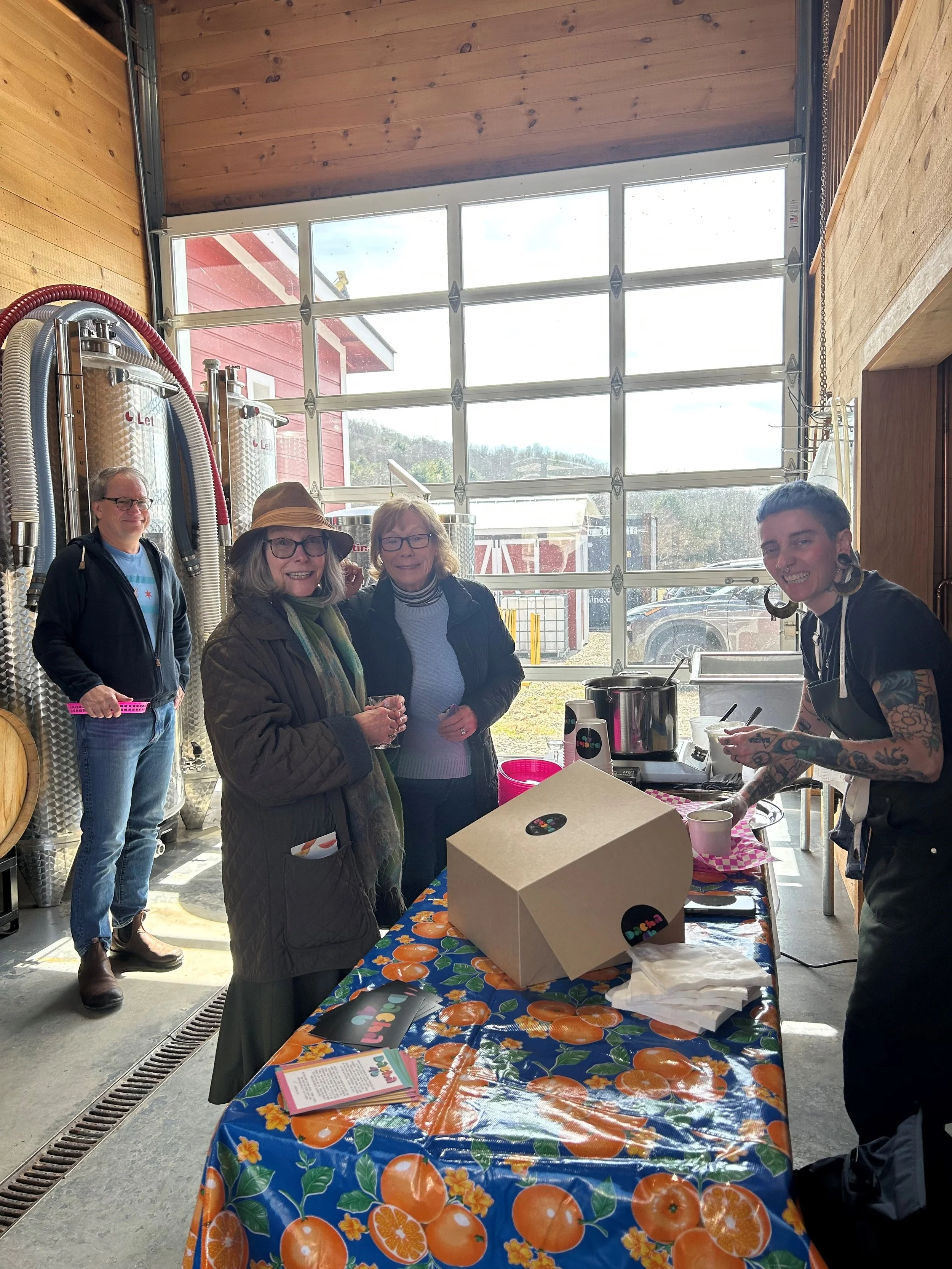
We reopened our farm-store and tasting room on March 21st with a very special Branchwater Beet release party. We were thrilled to see so many familiar faces and beautiful souls gathered here. Thank you to all who came and a special thank you to Carly of Row 7 Seed Company and Trina of Dacha 46, who brought their A-games and amazing products to share. It was another deeply rewarding day here at the farm.
Branchwater Provisions
Our tasting room / farm-store is located upstairs inside the big red barn at 818 Salisbury Turnpike, Milan, NY. Hours are Thursday-Sunday 12-5pm.
We offer tasting flights of our spirits and we have a well-curated farm store featuring products from our farm (whole roaster chickens and ducks, chicken and duck eggs, honey, hot sauces, vinegars). Additionally, we offer a selection of local dairy, meat, canned goods, and pantry items, as well as New York State beers, ciders, wines, and spirits. Come check it out! We’re always happy to share some of our favorite local spots if you’re visiting from out of town and want to make a day, weekend, or week out of exploring the area.
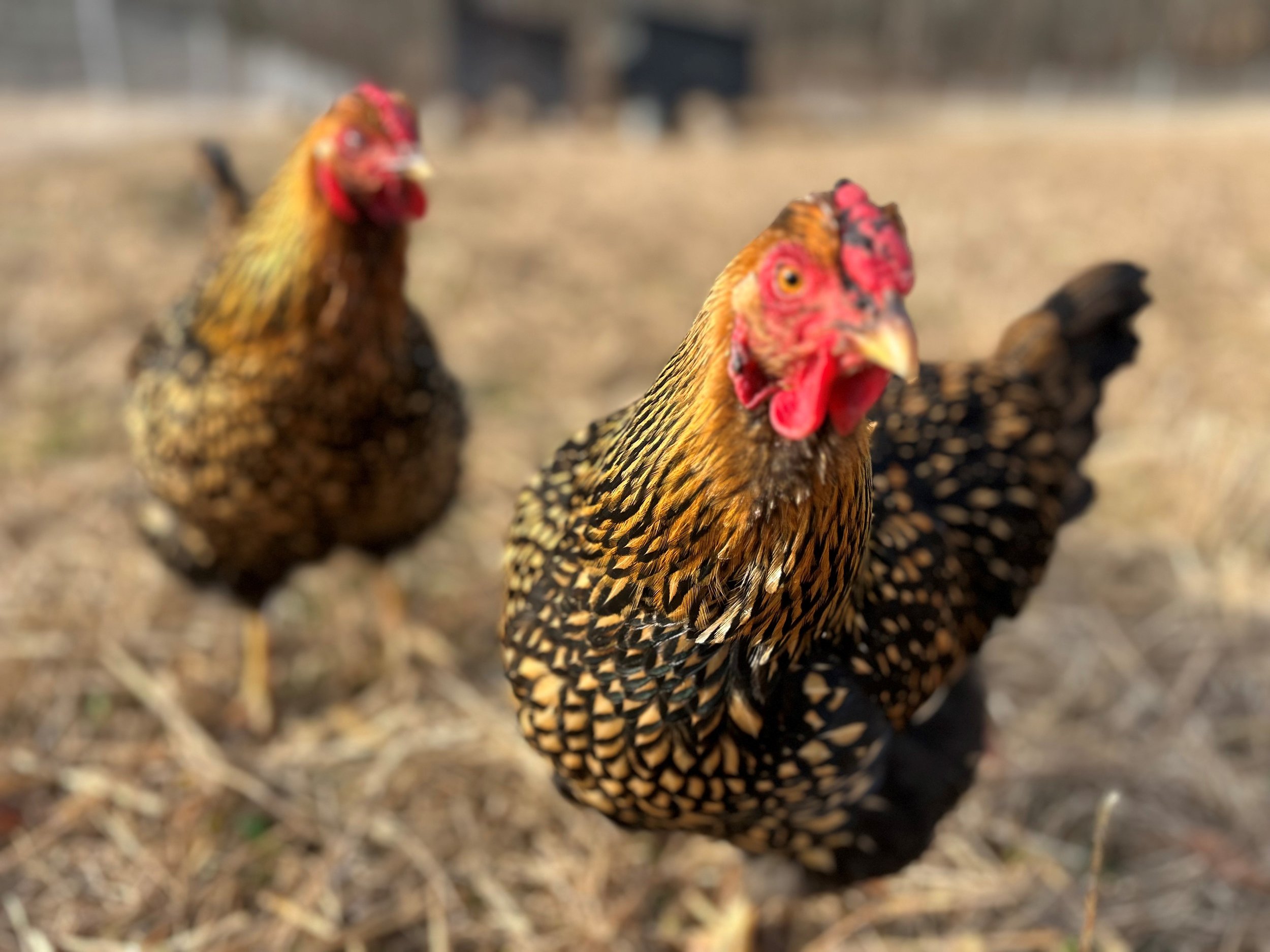
Goodbye to Free Birds, at least for now
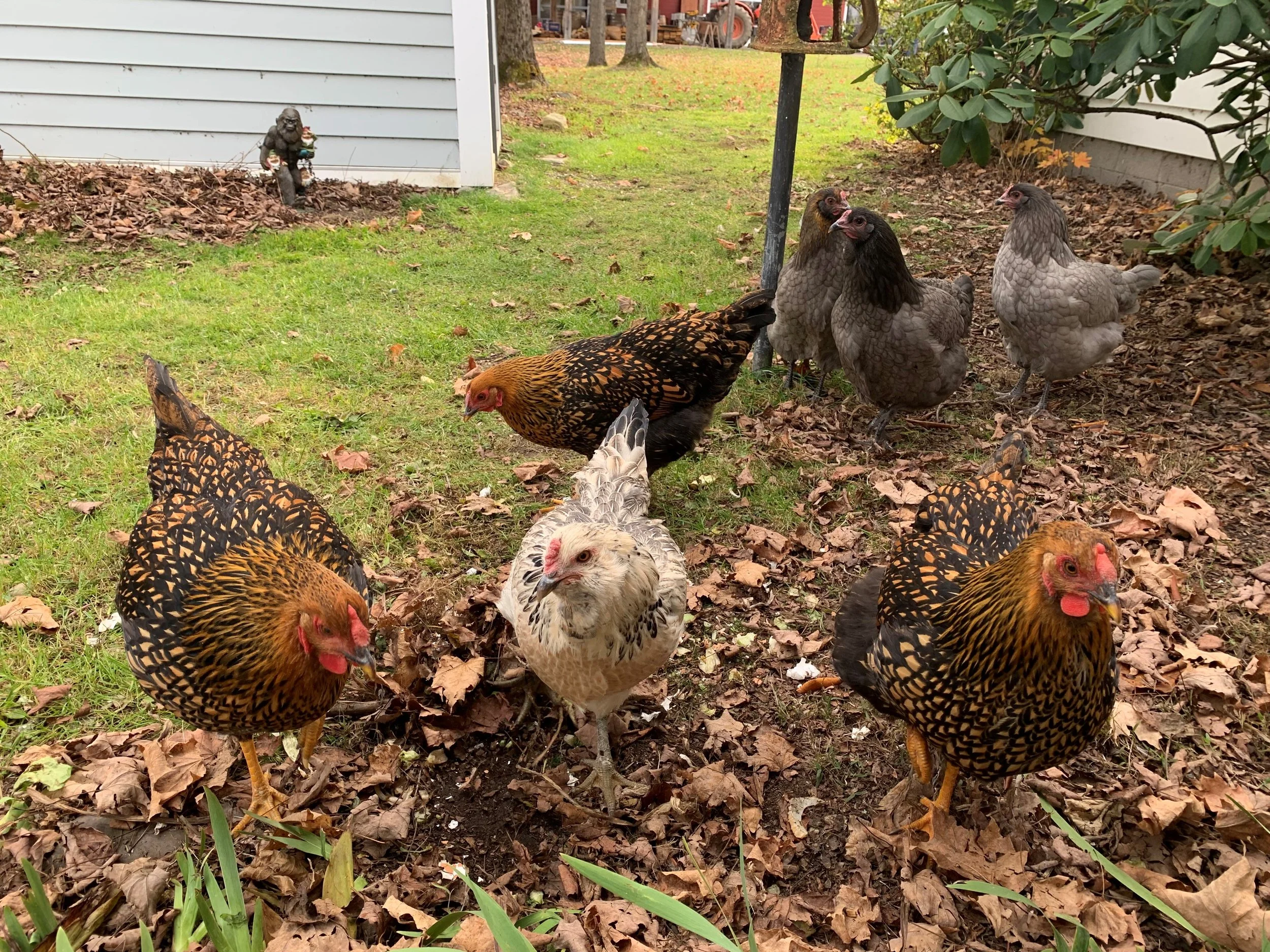
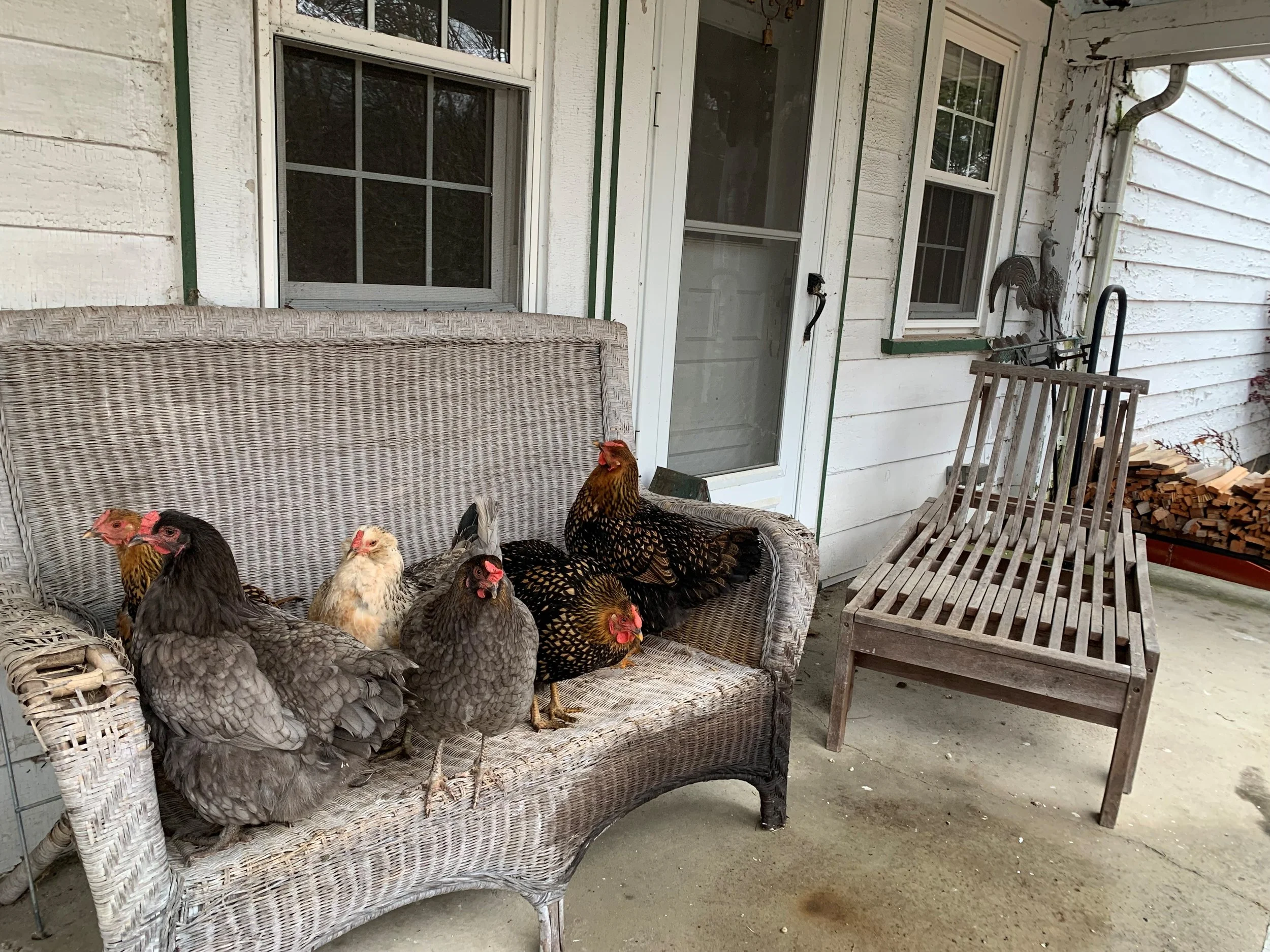
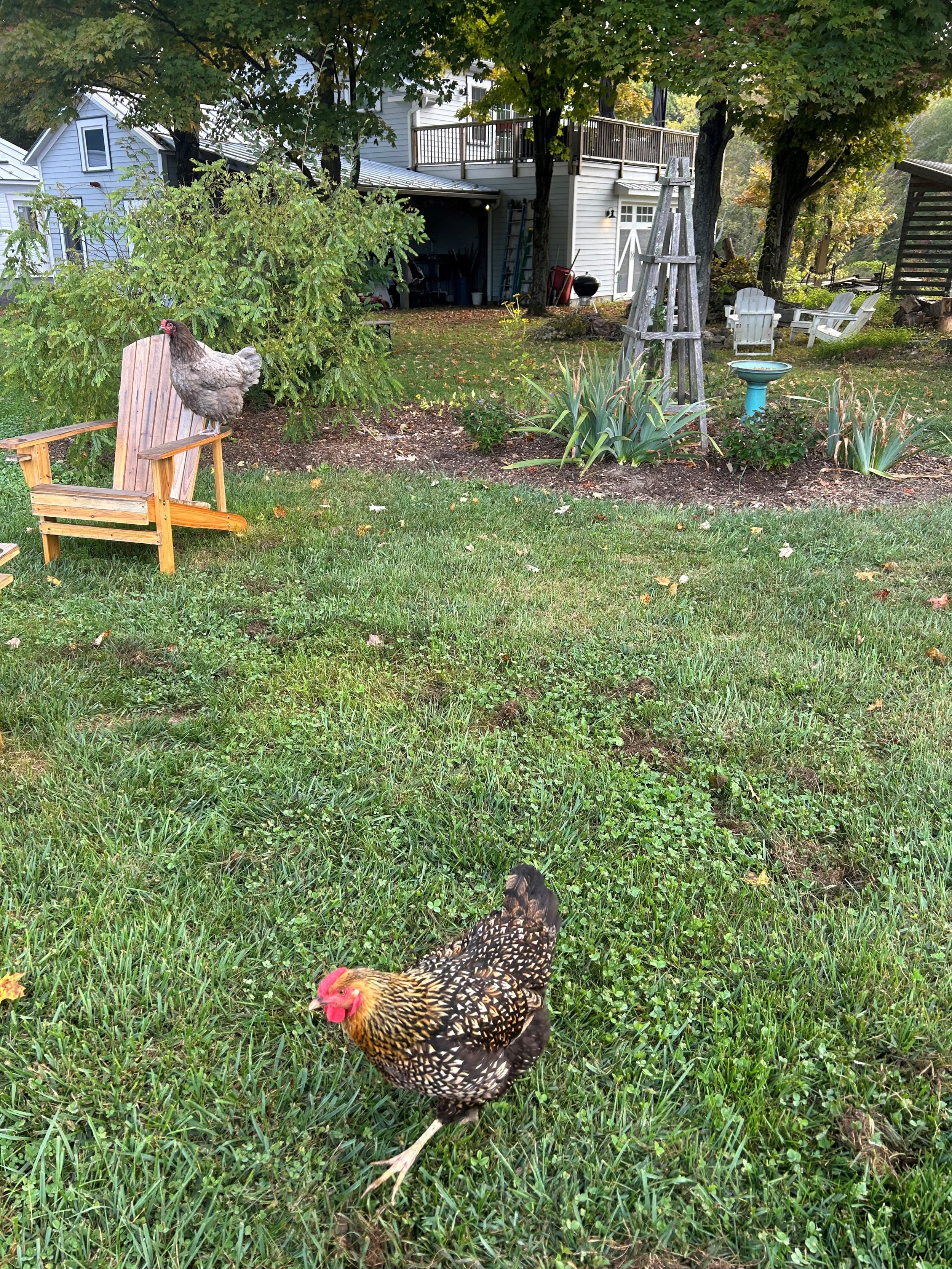
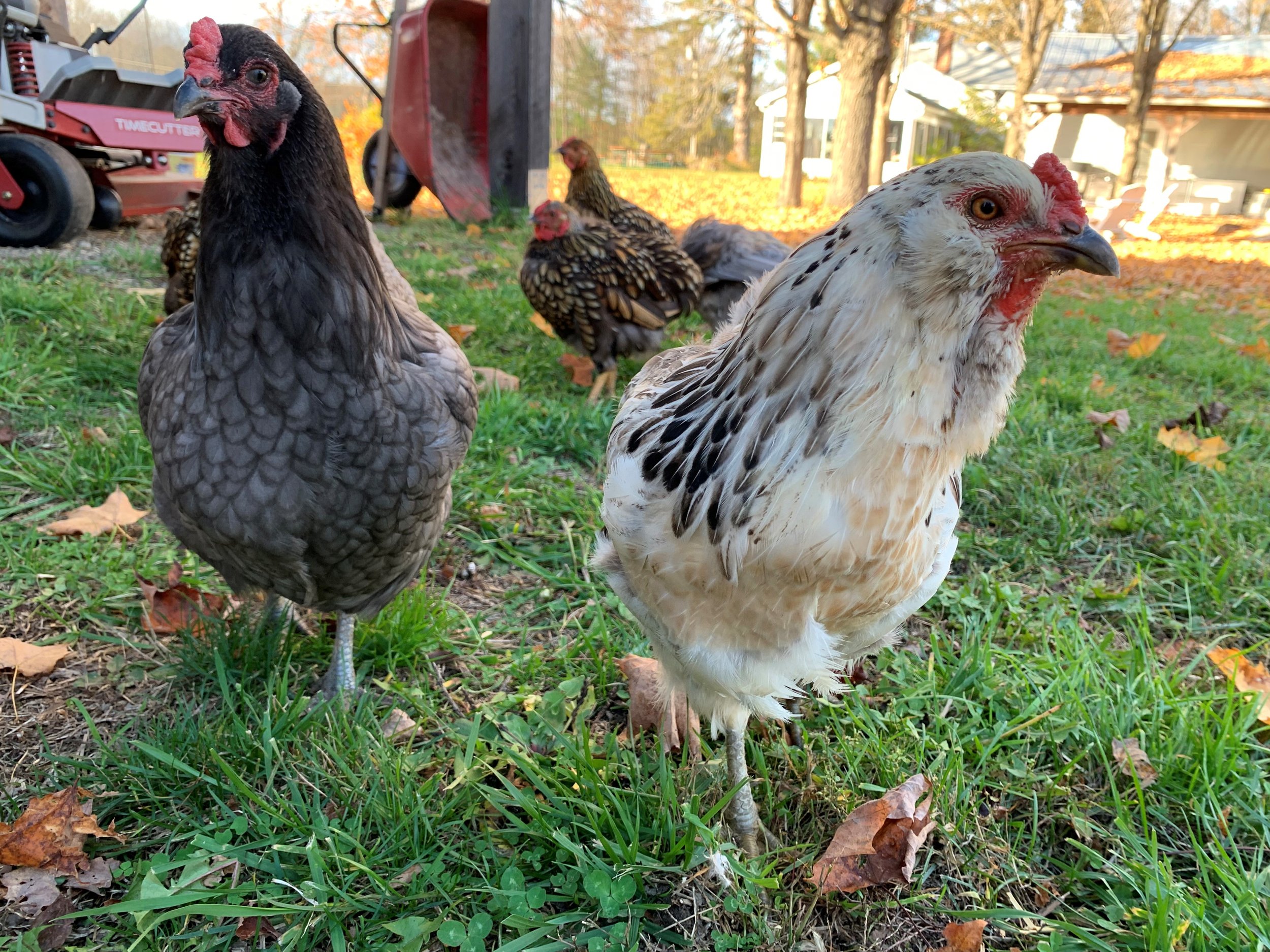
We decided to integrate Thelma and Louise, the remaining “yard birds” into our main laying flock after another dog attack recently. (Our other OG yard bird, Bella is still living her best life in the duck yard, where she defected to over a month ago.)
We miss the joy of having these ladies roaming freely around the house and farm, the sweet sounds they make and the benefits they bring. We feel it’s our responsibility to keep them as safe as we can though and having them in an electrified enclosure mitigates some risks, although certainly not all, as we learned this winter with aerial predators.
It’s honestly broken Robin’s heart a bit and the transition hasn’t been without challenges. Thelma and Louise have had to navigate a pecking order with 150 other hens, as well as acclimate to life with roosters, neither of which they seem to be enjoying much. They got hen pecked the first few days, stayed fairly isolated for a few more, and have slowly become part of the larger flock but Robin can’t help but feel like she betrayed a pact she’d made to let them live a rooster-free, free-wheelin’ life on this farm.
Here are some photos of the yard birds over the years. They came to us in the summer of 2021 as pullets. A friend of Robin’s was moving up north and couldn’t bring chickens to his new home. We borrowed a coop from our friends Marty and Maria Clarke up the road, and the girls quickly made themselves right at home.
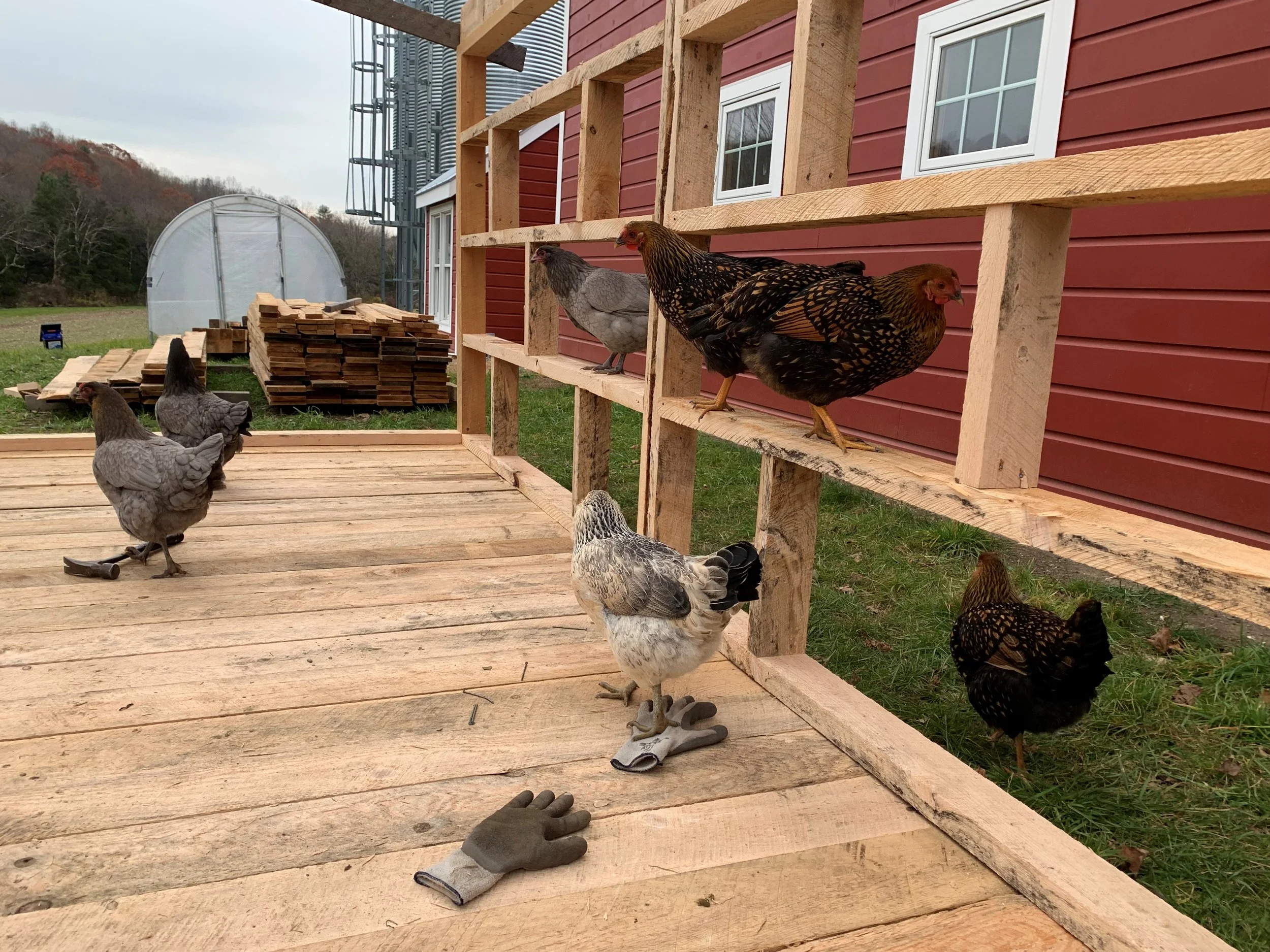
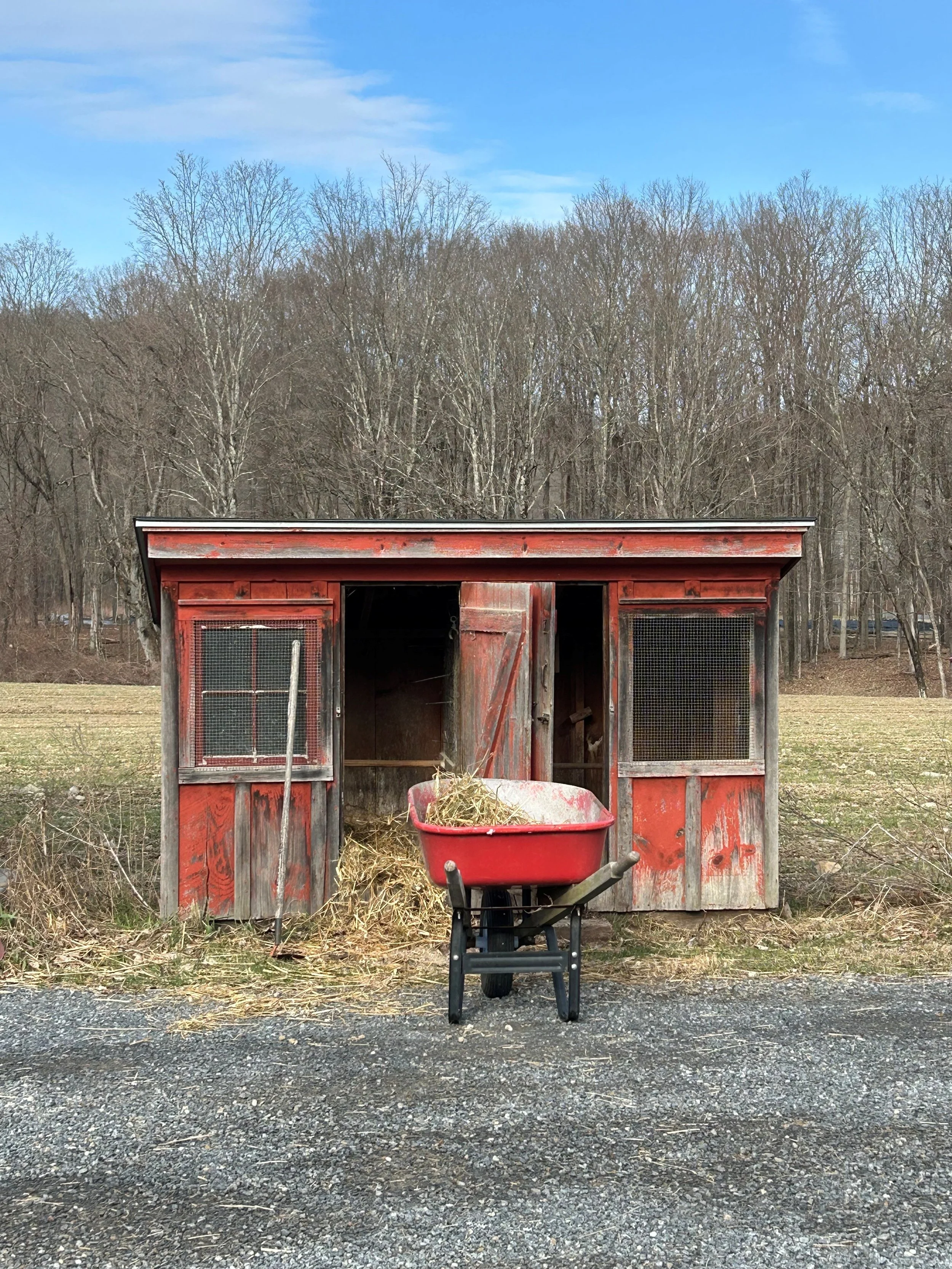
End of an era. Goodbye little red coop.
Looking Ahead… some dates of note for on-farm and off-farm fun
Fridays at the Farm - Fridays at the Farm returns for the 2026 season! Join us on the Final Friday of the month for cocktails (and wine, cider, beer and nonalcoholic options), specialty food boards, farm store snacks and community! Hang out in the lower field and be entertained by our flock of ducks or pull up a seat around our fire pit or one of the many tables set up around the farm, and usher in the weekend against the calming backdrop of our farm’s natural beauty.
2026 FATF dates: Apr 24 ~ May 29 ~ Jun 26 ~ Jul 31 ~ Aug 28 ~ Sept 25 ~ Oct 30 ~
6th Annual Knit for Food Knit-A-Thon - Saturday, April 11 (10am-10pm) Join our dear friend Julibeth Corwin in raising funds to combat hunger and food insecurity one stitch at a time! 100% of funds raised from the 6th Annual Knit For Food Knit-A-Thon will be equally donated between World Central Kitchen, Meals on Wheels, No Kid Hungry, and Feeding America. Last year, knitters raised $530,840 with their needles. Link here
Wild Hudson Valley, presented by Rigor Hill Farm. A spring benefit for Slow Food Hudson Valley - Sunday, April 26 (2-5pm) at The Barn at Liberty Farm Ghent, NY Slow Food Hudson Valley celebrates the return of wild, foraged foods, with a spring benefit featuring Roman-inspired dishes prepared by Hudson Valley chefs showcasing the wild abundance of spring. Live music, generous plates, cold beer, wine, and non-alcoholic pours, plus a thoughtfully curated silent auction. Info and tickets here
FEMMERGY—A Celebration of Female Creativity - Sunday, May 10 (11am-3pm) Skip those $30 Eggs Benedict for Mother’s Day brunch or—if that’s your thing—swing by the farm afterwards for a celebration of women and their creative strength. We will be mixing up Bloody Mary’s and raising money in support of the critical work of Planned Parenthood. Our amazing neighbors Northern Dutchess Botanical Gardens will be popping up with a plant sale. Local artists and makers will be displaying and selling their works. Food too. Keep an eye on our website calendar and Instagram for more details, but in the meantime - Save the Date!
North Salem Farmers Market - Saturday, May 16 (9am-1pm) For friends further south in the Westchester area, Branchwater Farms will be popping up for one market this year. This is the NSFM’s third season, and this year it will be held every Saturday on Back Street in Croton Falls. Come join us in celebrating the abundance of what farms and makers have to share with local community in this special part of the world.
Spring into Summer Market at Churchtown Dairy - Sunday, May 17 (12-5pm) We will be joining other makers for a spring market at Churchtown Dairy in Hudson. There will also be a food truck, family activities, tours and more. Come visit us in the Round Barn. We will be sampling our spirits and will have an array of farm products to choose from as well.